






Cart 0



Wallpaper has made a strong return in interior design, and for good reason.
It’s one of the most effective ways to add pattern, personality, and visual interest to a space without taking on a full renovation. From powder baths to bedrooms and entryways, wallpaper can completely transform how a room feels.
But before you select a pattern and place an order, there’s one step that deserves a little more attention: understanding how to calculate wallpaper correctly.
Why Wallpaper Math Matters
One of the most common questions we hear is: How much wallpaper do I need?
The answer is more nuanced than most people expect. Accurate wallpaper calculations rely on wall height, total wall width (or room perimeter), the printed width of the wallpaper, and the pattern repeat.
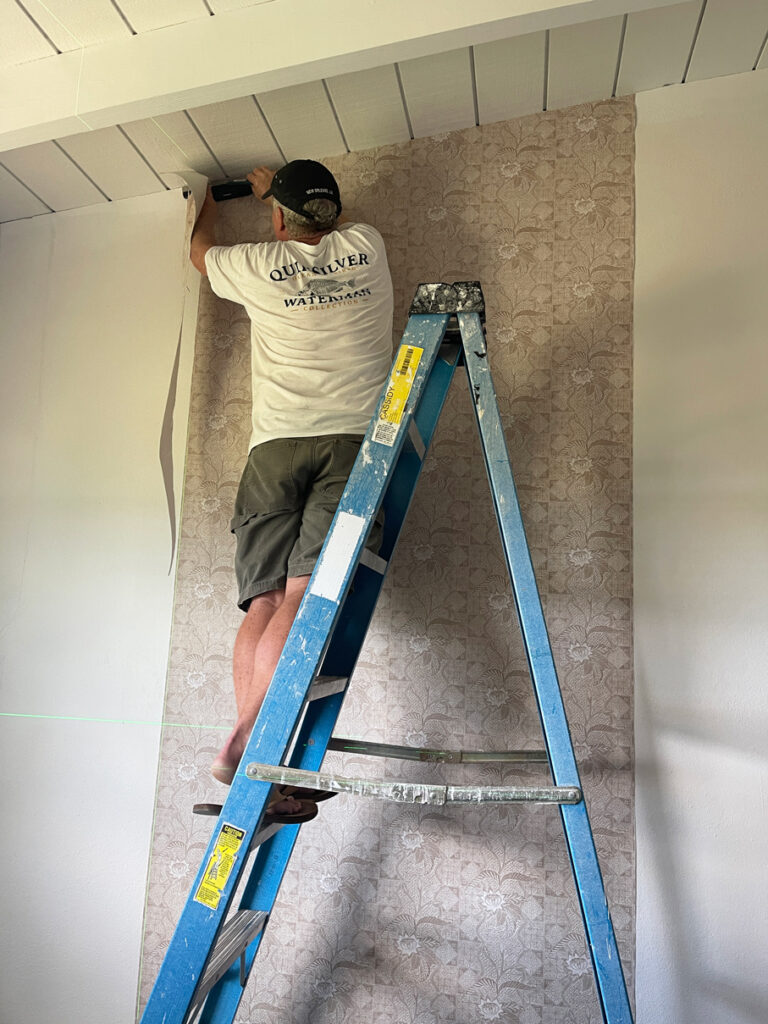
It’s also important to note that while larger architectural elements like closets can be subtracted, windows and doors typically should not be, since the pattern must continue consistently across the wall.
This is where many wallpaper orders start to go off track.
How to Calculate Wallpaper Yardage
If you want a clear, simplified approach, here’s how we calculate wallpaper for a space:
1. Measure your walls
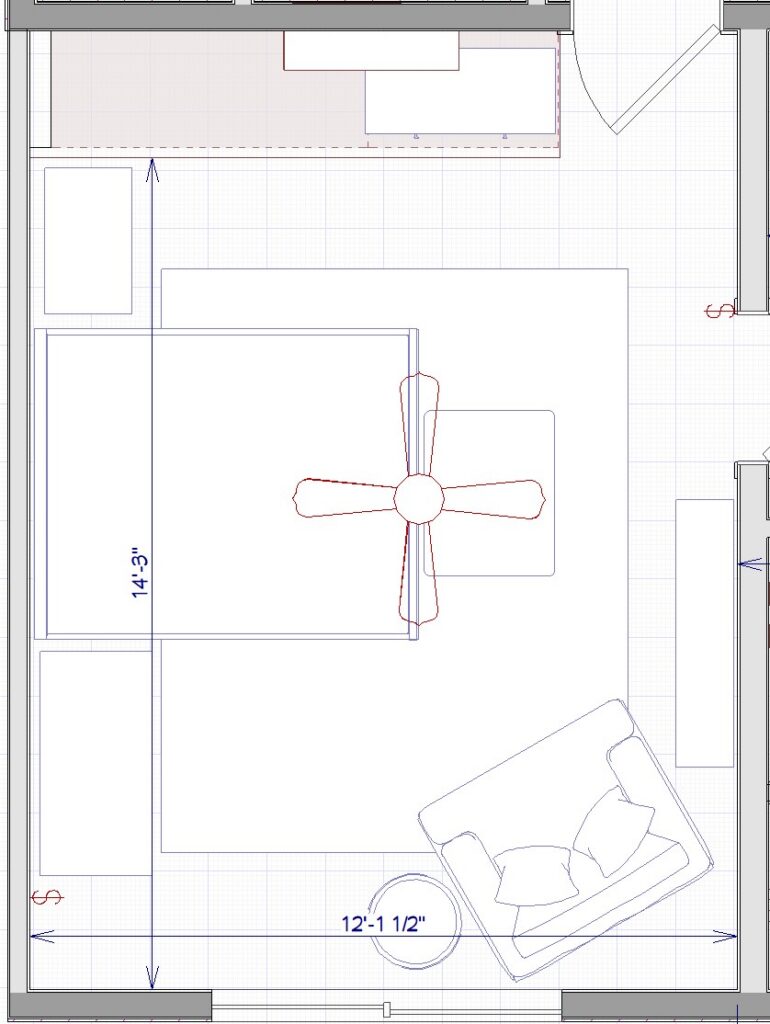
Start with the full perimeter of the room and the ceiling height. For example, a room measuring 14.5 feet by 12 feet with 9-foot ceilings has a perimeter of 53 feet, or 636 inches.
2. Review the wallpaper specifications
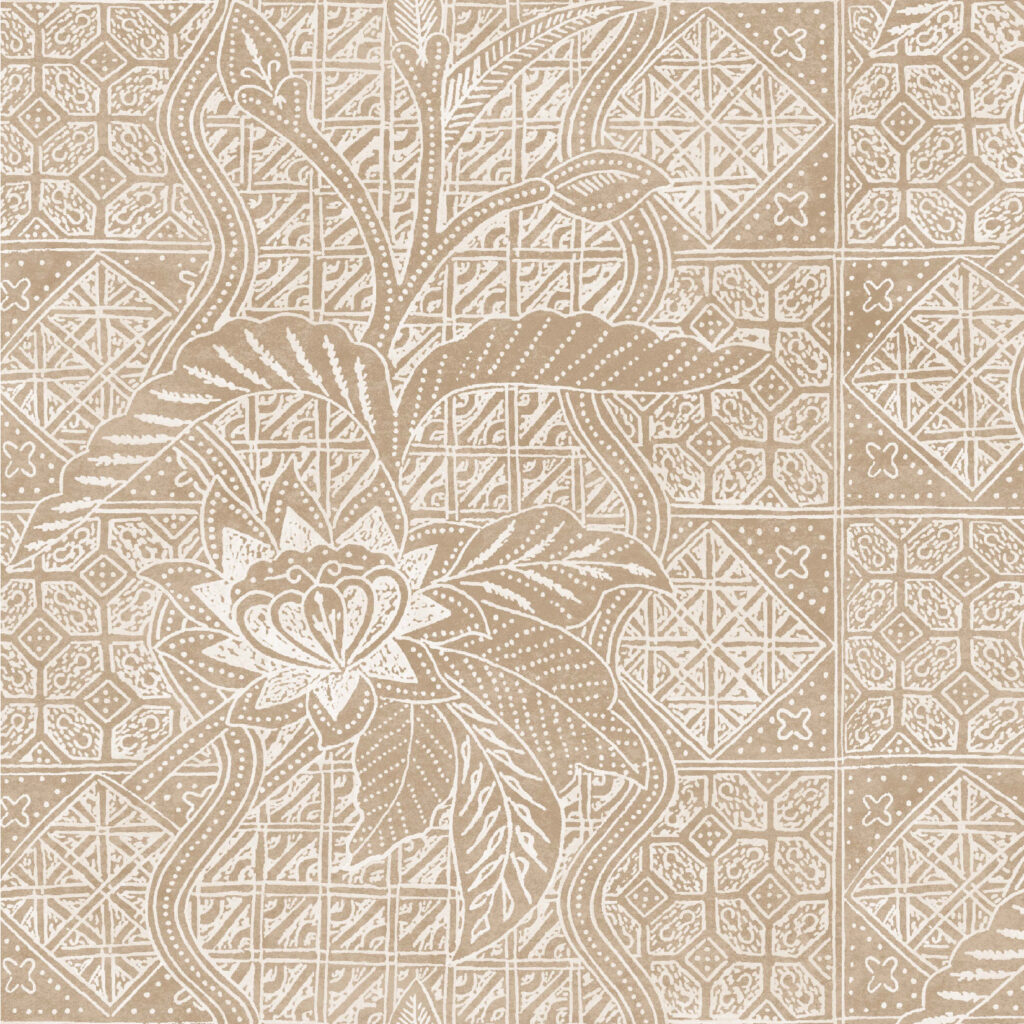
You’ll need the printed width and the pattern repeat. In our example, the wallpaper is 52 inches wide with a 10-inch vertical repeat.
3. Calculate the number of drops
Divide the total wall perimeter to be papered by the paper width.
636 ÷ 52 = 12.23, which rounds up to 13 drops.
4. Determine the cut length
Each drop includes wall height, pattern repeat, and trimming allowance.
108 + 10 + 4 = 122 inches per drop
5. Convert to total yardage
13 drops × 122 inches = 1,586 inches total
Divide by 36 = 44 yards of wallpaper
Buying Wallpaper: Yard vs. Roll
Most wallpaper is traditionally sold by the roll.
Our Starboard Lane wallpaper is sold by the yard, which allows for a more precise and tailored order. This approach can reduce waste but it also means the calculations need to be accurate from the start.
Quick FAQs About Wallpaper Calculations
Because this process can feel more technical than expected, here are a few of the questions we’re asked most often:
How do I calculate how much wallpaper I need?
Measure the full width of your walls and the height, then divide by the wallpaper width to determine how many panels (drops) are required. From there, calculate the length of each drop—including pattern repeat and trimming allowance—and convert the total into yards or rolls depending on how the wallpaper is sold. See our example above for details.
Should I subtract windows and doors when calculating wallpaper?
In most cases, no. Wallpaper requires consistent pattern alignment, so material is still needed even where openings occur. (Example: above the doorway or below the window) Subtracting too much often leads to under-ordering.
Is it better to buy wallpaper by the yard or by the roll?
Rolls are standard, but buying by the yard allows for a more customized and efficient order. It’s a more tailored approach—but it does require more precise calculations. Professional installers often prefer by the yard orders.
What happens if I don’t order enough wallpaper?
Reordering can be challenging due to dye lot variations, which may result in slight color differences. In many cases, this means replacing larger sections to maintain consistency, so it’s always best to calculate carefully and round up when needed.

A Better Approach to Wallpaper
When wallpaper is done well, it feels effortless. The pattern flows, the scale is right, and the room feels intentional and complete.
Behind that finished look is careful planning, precise measurement, and an understanding of how the material works within the space.
Need Help Getting It Right?
At Lagnappe Interiors, we guide clients through the entire process—from selecting the right pattern to calculating exact quantities and coordinating installation.
Because wallpaper should feel like the easiest decision in the room.
Not the most complicated.